Feed your curiosity with the Loose Threads Blog
Read essays from Wonder Work newsletters and my other writing about brand strategy, creativity, and the importance of strategic communications.

Recent Posts

Four Presidents and a Ledger: What Glassdoor's Merger Means for Your Employer Brand
Dun & Bradstreet's CEO, Stephen Tulenko, says "the most important questions in commerce haven't changed: who am I doing business with and can my business rely on them enough to move forward?" In 1841 the answer to those questions traveled by post and took a minimum of six months to publish. Now, that information arrives in about four seconds, and it arrives with no citations. Is your employer brand about to take a big credibility hit?
Why Taskmaster is the Best Show About Adult Play
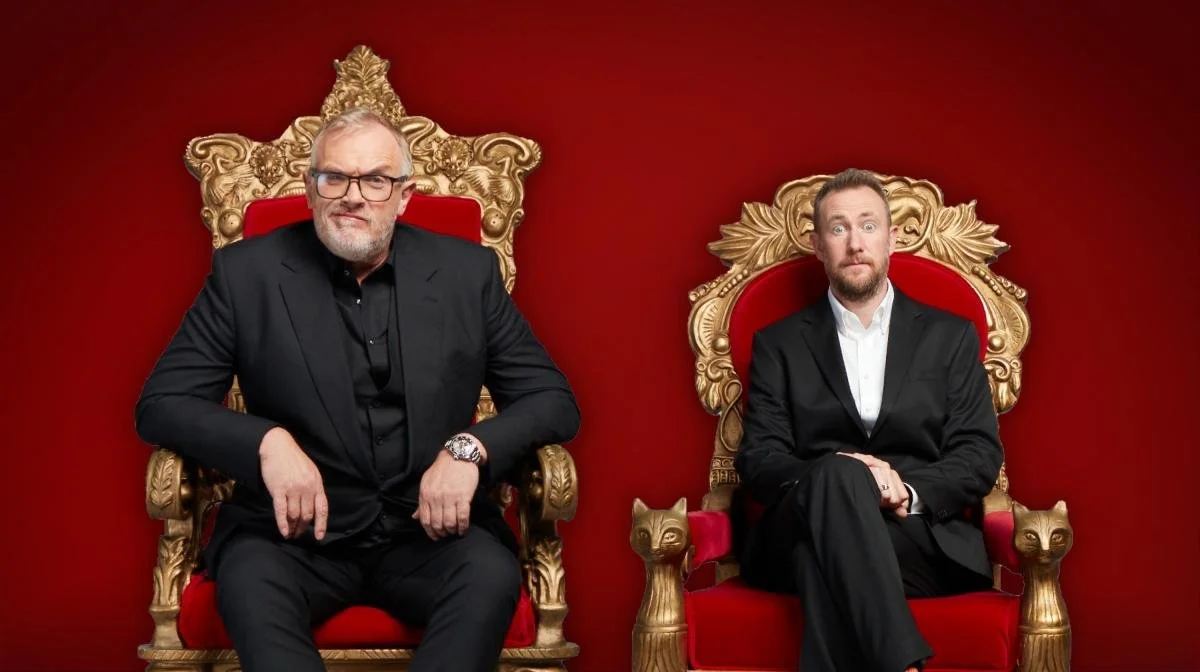
Hand five comedians a balloon, a piece of string, and a countdown, and you get five entirely different theories of the universe. One person over-engineers. One person panics. One person finds a loophole nobody knew was there. The show is a machine for making a person's private way of thinking suddenly visible — and it never, ever pretends there was only one right answer.

Why Dick’s and Barnes & Noble Are Building Third Places
Roughly two-thirds of North American adults say that visiting stores with social or community features makes them feel less isolated. Just like young people in the UK, Americans are telling companies in survey data that they will feel less lonelyif you give them somewhere to go. That is one of the most generous invitations a brand will ever receive.

Awe is Contagious; You Catch it from Kids
When did you last stop cold — at a beetle on a leaf, a sudden snowfall, the moment the strings come in? Kids do it constantly. Most adults have quietly trained themselves out of it. After falling hard for Wowsabout!, the new PBS Kids and Jim Henson special about awe, I looked up the research behind the show. Dr. Dacher Keltner's fifteen-plus years studying awe as a distinct, measurable emotion. His case is that wonder isn't a luxury good — it's a trainable, mostly free human capacity we've been starving ourselves of. Here's how to borrow it back from the nearest four-year-old.
What Your Return to Office Mandate Says About Your Brand
Let’s look at the stories behind two headlines from last week. The first, a guest essay by the Wharton organizational psychologist Adam Grant and his colleagues Marissa Shandell and Courtney Elliott, is titled "The Secret Reason Bosses Want Everyone Back in the Office, Every Day of the Week." Their six years of research lands on an uncomfortable finding. The trait that most reliably predicts a leader's hostility to remote work isn't a concern for productivity, collaboration, or culture. It's narcissism. Across executives and frontline supervisors, the people who most wanted everyone back five days a week were the ones who scored highest on self-importance, entitlement, and the craving for status.

How to Fall for a Hoax: Ego, Grief, and Fairies
A newspaper headline of the time put it bluntly: “Has [Sir Arthur] Conan Doyle gone mad?” Well, I suppose that depends on your understanding of madness. Doyle took a piece of media and, with the full force of an exceptional intellect, used it to confirm something he already, desperately needed to be true. Under that definition, who among us isn't mad?
“OMG, babe. Just trust me.
Take the thread.”
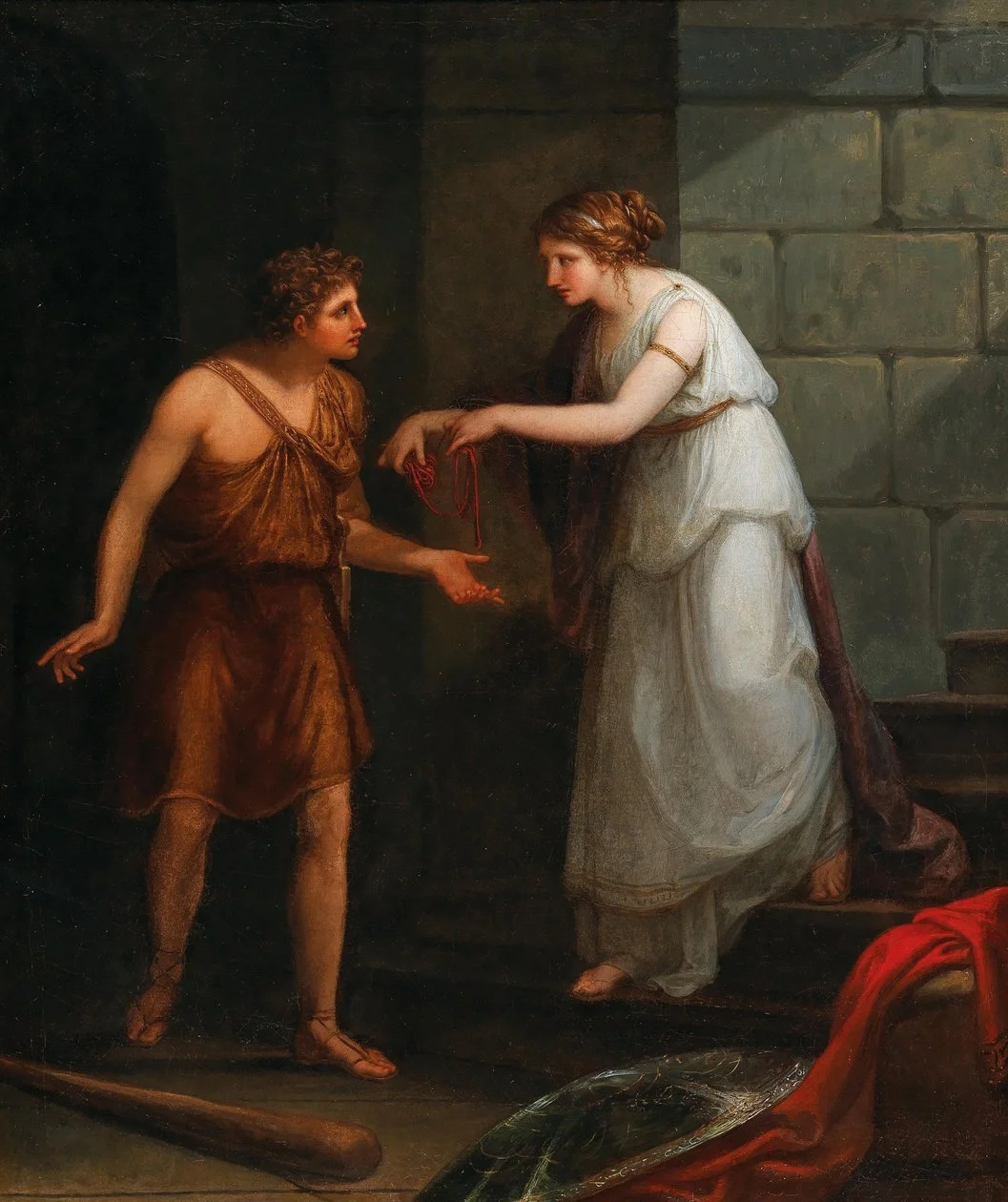
“Theseus and Ariadne.” Undated. Angelika Kauffman (1741-1807)
When Theseus entered the labyrinth to defeat the Minotaur, a lovestruck Ariadne gave him a clew — a ball of yarn — so that he could find his way out again. Join me as I untangle ideas and tie myself up in knots. Maybe together we can weave something amazing.